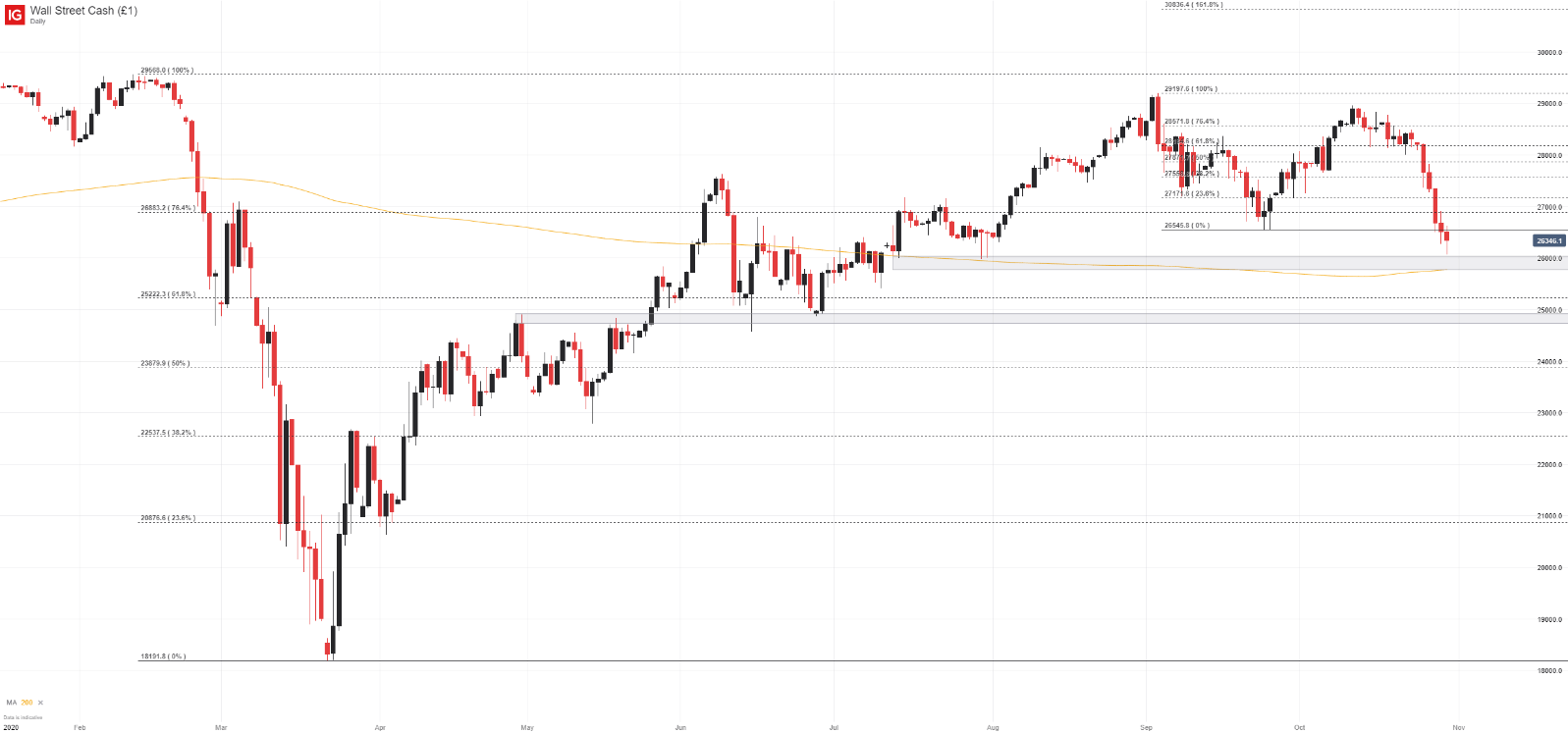
Wall Street is bracing for a cautious start, with the Dow Jones Industrial Average set to open lower as traders position ahead of a high-stakes week packed with economic data, corporate earnings, and fresh signals on monetary policy. This isn’t just routine volatility—it’s a convergence of macro forces capable of reshaping market sentiment for weeks to come.
The pre-market dip reflects mounting uncertainty. While the broader market has shown resilience, the combination of sticky inflation, elevated bond yields, and geopolitical tension has investors on edge. With major economic reports like CPI, PPI, and retail sales all landing within days, the path of least resistance for equities may depend on whether inflation shows genuine signs of cooling—or reigniting.
Why the Dow Is Opening Down: Pre-Market Sentiment Explained
Pre-market moves are rarely random. The Dow’s downward tilt reflects real-time recalibration in response to macro signals and positioning shifts. Futures tied to the 30-stock benchmark were trading below fair value, a sign that institutional players are reducing exposure ahead of volatility.
Key contributors to the early weakness include: - Rising 10-year Treasury yields nearing 4.6%, pressuring equity valuations - Stronger-than-expected job openings data from the JOLTS report, reducing hopes for imminent rate cuts - A modest pullback in tech stocks, which had led much of the year’s rally
These factors aren’t isolated. They point to a recurring theme: the market’s struggle to balance growth optimism with inflation reality. Every data point now carries amplified weight, especially as the Federal Reserve remains data-dependent.
For retail traders, the mistake is often reacting emotionally to pre-market movement. A lower open doesn’t guarantee a down day. But it does signal that the odds are shifting—and that preparation matters more than prediction.
The Week Ahead: A Data Gauntlet That Could Move Markets
This week isn’t just busy—it’s potentially transformative. A series of high-impact reports will test the narrative that inflation is cooling sustainably.
Here’s what’s on the docket:
| Date | Report | Expected | Prior | Market Impact |
|---|---|---|---|---|
| Tue | CPI (MoM) | 0.3% | 0.4% | Very High |
| Tue | CPI (YoY) | 3.4% | 3.5% | Very High |
| Wed | PPI (MoM) | 0.1% | 0.3% | High |
| Thu | Retail Sales | 0.4% | 0.7% | High |
| Fri | Industrial Production | 0.3% | -0.7% | Medium |
The Consumer Price Index (CPI), due Tuesday morning, is the centerpiece. Even a small deviation from expectations could trigger sharp moves. If inflation holds above 3.5% year-over-year, bond yields may spike, and rate cut bets could evaporate. Conversely, a meaningful drop could reignite rally hopes.
Retail sales, often overlooked, matter just as much. With consumer spending making up nearly 70% of GDP, a slowdown would raise recession concerns. Last month’s 0.7% gain was strong—anything below 0.3% this time could spook markets.
Traders should avoid binary thinking. Markets rarely react cleanly to data. It’s the context—how one report confirms or contradicts another—that shapes the trend.
Fed Expectations on the Knife’s Edge
The Federal Reserve isn’t meeting this week, but every economic print is being parsed for clues about June, July, and beyond.

As of now, markets are pricing in only a 30% chance of a rate cut by June, down from 60% just two months ago. That shift reflects stronger labor data and persistent inflation.
But the Fed’s tone remains cautious. Recent speeches by Governor Christopher Waller and Chair Jerome Powell have emphasized patience. Powell’s “higher for longer” mantra isn’t just jargon—it’s policy.
What investors often miss is the lag effect. Rate cuts aren’t just about inflation; they’re about labor market deterioration. Until job losses rise meaningfully, the Fed is unlikely to pivot.
Still, any sign of economic weakness—like a drop in industrial production or a surprise uptick in jobless claims—could shift the odds. For now, the central bank remains in observation mode, and markets are stuck in limbo.
Earnings Season Fizzles—But Not for Everyone
While economic data dominates, earnings still matter. This week brings reports from major players like Netflix, Delta Air Lines, and Johnson & Johnson.
Netflix, reporting after the close on Tuesday, could sway tech sentiment. Subscribers are expected to grow by 4.5 million, but the market will focus on pricing power and international demand. Any sign of churn or slowing growth in ad-tier adoption could rattle the broader tech cohort.
Delta’s report on Wednesday is a barometer for consumer strength. High airfare demand has supported margins, but fuel costs and staffing issues remain risks. A weak outlook could ripple through travel and hospitality stocks.
For the Dow, J&J’s update on Thursday matters most. As a dividend pillar and defensive play, its guidance could influence risk appetite. If management signals caution on consumer spending or healthcare demand, it may reinforce bearish sentiment.
But here’s the nuance: earnings are no longer driving the market. Valuations are being set by rates and inflation. A strong quarter won’t save a stock if Treasury yields keep climbing.
Sector Rotation: Where Money Is Moving Now
When the Dow dips ahead of volatility, watch where capital flows.
Historically, investors shift into defensive sectors: utilities, consumer staples, healthcare. This week, that pattern is reappearing.
Utilities are up 2.1% year-to-date, outperforming the S&P. Dividend stability and low beta make them a hedge against rate-driven swings. Companies like NextEra Energy and Duke Energy are seeing increased institutional buying.
Meanwhile, rate-sensitive sectors like real estate and tech are under pressure. The iShares Mortgage Real Estate ETF (REM) is down 8% in April alone. Higher yields crush REIT valuations.
Small caps tell another story. The Russell 2000 remains fragile, down 3.2% over the past month. These companies face tighter credit conditions and weaker pricing power. A surprise in credit spreads could spark a broader risk-off move.
For portfolio strategy, the takeaway is clear: rotation beats reaction. Positioning early—before data hits—avoids panic moves.
Global Risks Adding to the Pressure
Markets don’t operate in a vacuum. While U.S. data dominates, global risks are compounding investor anxiety.
In Europe, political uncertainty in France and Germany is weighing on sentiment. The upcoming elections in France have raised concerns about fiscal discipline, rattling bond markets.
In Asia, China’s property sector remains a concern. Despite stimulus efforts, developers like Evergrande and Country Garden continue to face debt maturities. A fresh default could trigger risk aversion globally.
Meanwhile, Middle East tensions, while contained so far, keep oil prices elevated. Brent crude near $85 puts pressure on inflation and consumer budgets.
These aren’t tail risks—they’re active drags. Any escalation could force a repricing of risk assets, including blue chips in the Dow.
What This Week Means for Your Portfolio
So what should investors actually do?
- Avoid overreacting to the open. A lower start doesn’t mean sell everything. Wait for confirmation from volume and price action.
- Hedge with options, not emotion. Consider protective puts on large caps or use VIX calls as a short-term hedge.
- Trim overexposed positions. If you’re overweight tech or small caps, this is a chance to rebalance into defensives.
- Watch bond yields like a hawk. The 10-year is the true market barometer now. Break above 4.7% could signal more pain.
- Prepare for whipsaw. Data weeks often lead to sharp reversals. Stay nimble.
One common error: trying to “catch the bottom” before data releases. Smart money waits for clarity, not conviction.
The Bigger Picture: Markets at an Inflection Point
This week isn’t just another calendar item. It’s a stress test for the entire bull case.
If inflation cools and retail sales hold steady, the path opens for a summer rally. Rate cut hopes return, and equities rebound.
But if CPI surprises to the upside and consumers pull back, the narrative shifts. Recession fears return. The Fed stays put. Valuations reset lower.
The Dow, as a barometer of industrial and blue-chip health, sits right in the crosshairs. Its performance this week could signal whether we’re in a pause—or the start of a deeper correction.
For now, caution isn’t fear. It’s discipline.
Stay positioned. Stay informed. And let the data, not the noise, guide your next move.
FAQ
What time does the Dow open? The Dow opens at 9:30 AM Eastern Time, Monday through Friday.
Why is the Dow down before the market opens? Pre-market moves reflect futures trading and sentiment shifts based on overnight news, economic data, or global market activity.
How does CPI affect the stock market? Higher-than-expected CPI can delay rate cuts, pushing bond yields up and pressuring stock valuations—especially in growth sectors.
Should I sell my stocks if the Dow opens lower? Not necessarily. Opening moves often reverse. Assess the broader context before making decisions.
What stocks are in the Dow Jones? The Dow includes 30 large-cap U.S. companies like Apple, Boeing, Goldman Sachs, and Coca-Cola.
Which economic reports matter most this week? CPI, PPI, and retail sales are the highest-impact reports, all influencing inflation and Fed policy outlook.
How can I protect my portfolio during volatile weeks? Diversify, use stop-loss orders or options, and reduce exposure to rate-sensitive sectors ahead of key data.
FAQ
What should you look for in Dow Set to Open Lower Amid Key Economic Data Week? Focus on relevance, practical value, and how well the solution matches real user intent.
Is Dow Set to Open Lower Amid Key Economic Data Week suitable for beginners? That depends on the workflow, but a clear step-by-step approach usually makes it easier to start.
How do you compare options around Dow Set to Open Lower Amid Key Economic Data Week? Compare features, trust signals, limitations, pricing, and ease of implementation.
What mistakes should you avoid? Avoid generic choices, weak validation, and decisions based only on marketing claims.
What is the next best step? Shortlist the most relevant options, validate them quickly, and refine from real-world results.